Legacy, Raised Pinkies, and Cookie Crisp
This month’s reads were about legacy and our role in crafting it. What we spend our time on and how much intention we put behind it.
NOT THE SNOOZEFEST YOU MIGHT THINK.
These are the books that I enjoyed enough to finish in the last month:
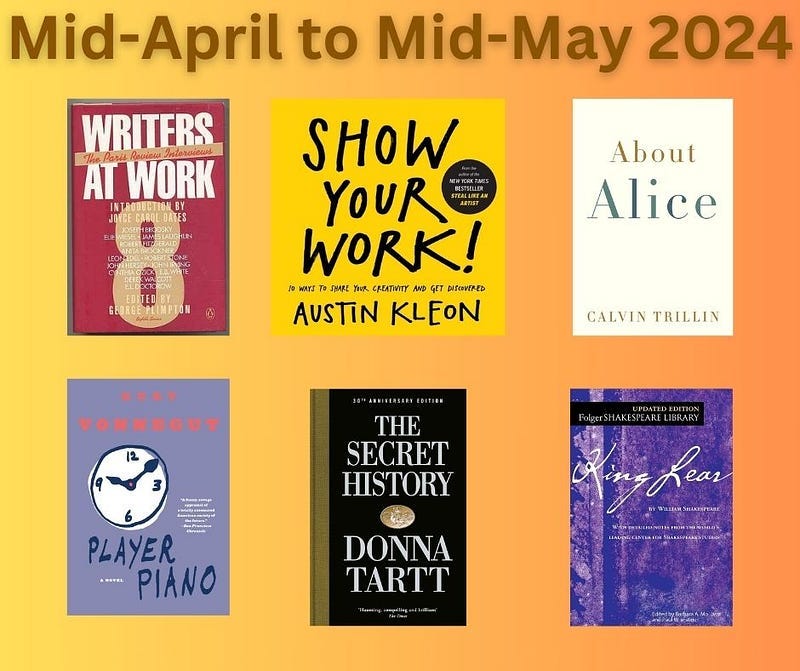
Writers at Work 08: The Paris Review Interviews
This 8th in a gazillion-volume collection from The Paris Review is an invaluable, delightful, and infuriating look into the process, philosophy, and weirdness of various writers. It’s a fantastic reminder to consider the whys and how-fors of craft, examining writing in social, authorial, political, and moral contexts.
From the profound to the gentle, the hilarious to the maddening — boy, what a mess we writers can be. Most interviewees were generous with their self-reflection, some were cloying or downright insufferable, all brilliant. I did have to remind myself these interviews are polished and edited, because there were moments I was like “ARE WRITERS SUPPOSED TO BE THIS GOOD ON THE FLY?”
Undergirding most of their thoughts is awareness of permanence in the work. While perhaps not intentional during the creative process most expressed an consideration of the afterlife of their words. Some eschewed it, some hugged it tight
Standouts:
- E.B. White (“A writer should concern himself with whatever absorbs his fancy, stirs his heart, and unlimbers his typewriter”)
- Robert Fitzgerald (“I don’t think it comes on that way…wanting to be a writer. You find yourself at a certain point making something in writing, and this seems to be great fun.”),
- Elie Wiesel (“I am myself only when I work” and “Writing is so personal, so profoundly and terribly personal.”)
- John Irving (“I believe you have constructive accidents en route through a novel only because you have mapped a clear way…the more you know about a book, the freer you can be to fool around.”
King Lear by William Shakespeare
You may have heard of this one. Lear descends into madness after handing over his kingdom to two rotten daughters while pushing away the good one. Cue the descent into madness, a cocktail of chaos, tragedy, bad spouses, fools, and some seriously bad-hair weather. It’s all about power, betrayal, redemption — Willie Shake’s big hits.
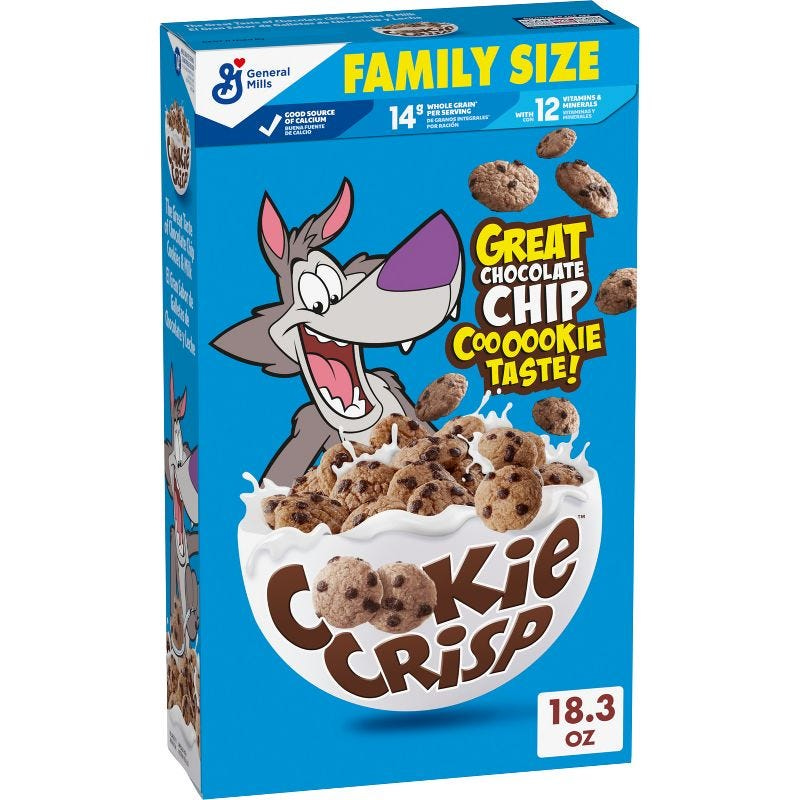
Do I need to provide quotes or explanations, because this one’s been chewed over for centuries? But, hey, it’s still kicking, repackaged as everything from Succession to Ran to A Thousand Acres to Cookie Crisp. (Kidding. Although I saw some Cookie Crisp hawked on an endcap at two stores the other day. WHO ASKED FOR THIS?)
Shakespeare is meant to be watched, yet modern audiences (Hi! Me, even, with all my fancy learnin’) still struggle with the language. Somehow, Lear was never in my studies. Not even the college Shakespeare class. Not sure how that happened. Maybe I had a choice and picked something else, or I just don’t remember because I was focused on BEING IN MY VERY COOL COLLEGE A CAPPELLA GROUP.
Anyway, I’d watch a scene and then read it to soak up the wordplay.
Not here to brag or claim I only skim the cream of literature, but yeah, my pinky is raised as I type this.
About Alice by Calvin Trillin
This gem of a memoir by Calvin Trillin is a heart-stuffed tribute to his wife, spilling over with tales of their life and her impact on his work. Love as the ultimate legacy? You bet your sweet typewriter it is.
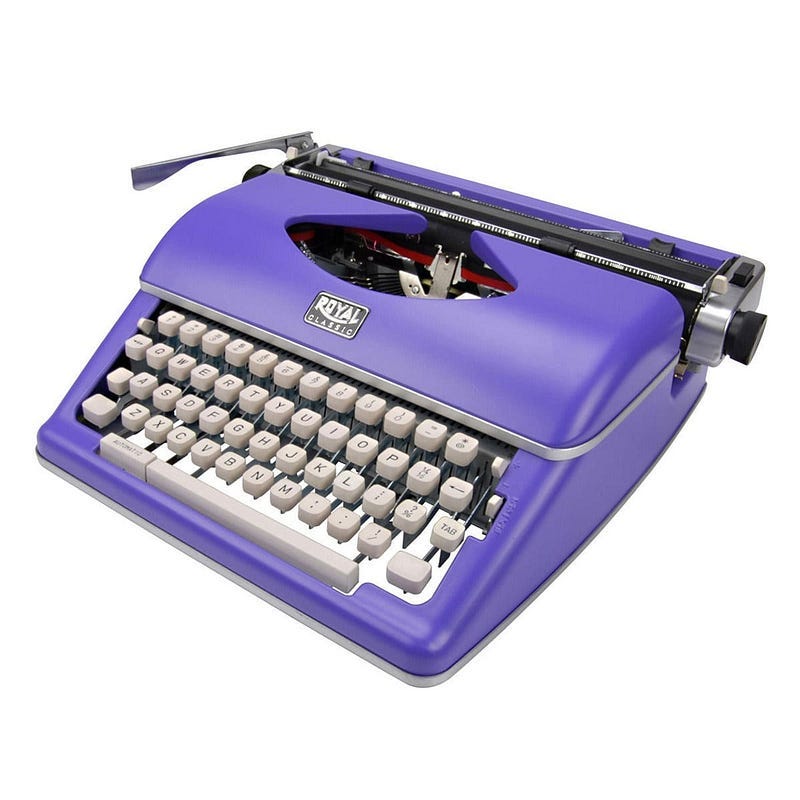
I picked About Alice up as a palate cleanser after Lear: short, digestible, and focused on love. It turned out to be both gorgeous and devastating.
Humorous and heartbreaking, it’s a love letter for the ages. There is something intimate in sharing mostly unremarkable moments of a life together. It’s absolutely uncynical, offering respite for a weary soul. Trillin’s love is overwhelming, and we breathe along with him.
Player Piano by Kurt Vonnegut
Are we coding ourselves into oblivion? Can we resist as a form of legacy? Or do we need to surf the beastly waves of tech change to leave our mark? Should we examine these questions through the lenses of technology, identity, and purpose?
MAYBE!
Picking up this book feels like grabbing a live wire, thanks to the AI anxiety zapping through the creative world right now. Vonnegut serves uncomfortable truth: as technology grows, we and our humanity risk being downsized. Before you hand over your creative keys to some cold, calculating circuits (Would Lear? Doubt it.), think twice.
Yet, despite the gloom, Vonnegut’s just-so, wry humor stops you from walking too far into the existential sea (and hey, if you do, maybe a friendly AI lifeguard will save your ass — what do I know?)
Show Your Work by Austin Kleon
Encouraging creatives to share their process openly. It’s about peeling back the studio curtains and shouting, “Check this out!” to build a tribe that gets you. Kleon’s all about transparency and collaboration, pounding the drum for a legacy that’s more than your final masterpiece — it’s also about the blood, sweat, and tears that got you there.
I’m actually trying to do this with my book — small snippets (“Daily Dispatches”) on my socials, and then dropping a chonkier update here each month. It’s a solid way to summarize the process without blasting everyone with full-frontal, nuclear emotion.
(Hey, you keeping tabs on me? Are you scrolling with me on Threads? How about Substack Notes? And oh, Instagram — where you can witness my gloriously pathetic attempts at photography?)
The Secret History by Donna Tartt
Good gosh damn, Donna Tartt can write. This one had me staying up late and getting up early.
The novel follows a group of elite college students tangled up in a murder. I could crack wise about the different kinds of marks we can leave, but let’s keep this highbrow. The main characters shine in their intellectual pursuits and cloud everything else with a cascade of dark actions. They seek extraordinary legacy, struggling with their ethical compromises and the consequences. The book reflects on how the stories we tell about ourselves — and the secrets we keep — shape our legacy in complex ways.
As with her other works, Tartt writes with needle-sharp detail, creates insanely deep characters, and does so with near-celestial language. Her plots unfurl with deliberate grace.
I mean, holy cow.
___
Last month was a whirlwind romance with The Secret History, and I had a writerly crush on Show Your Work. The long and the short of it, quite literally.
What did you read this month?
 Jackie Pick